How to Manage Influencer Miscommunication (When the Brief Was Perfect and They Still Got It Wrong)
The creator delivered the photos on a Friday afternoon, three weeks after the brief, after six reminder emails, after two softly panicked phone calls.
I opened the folder.
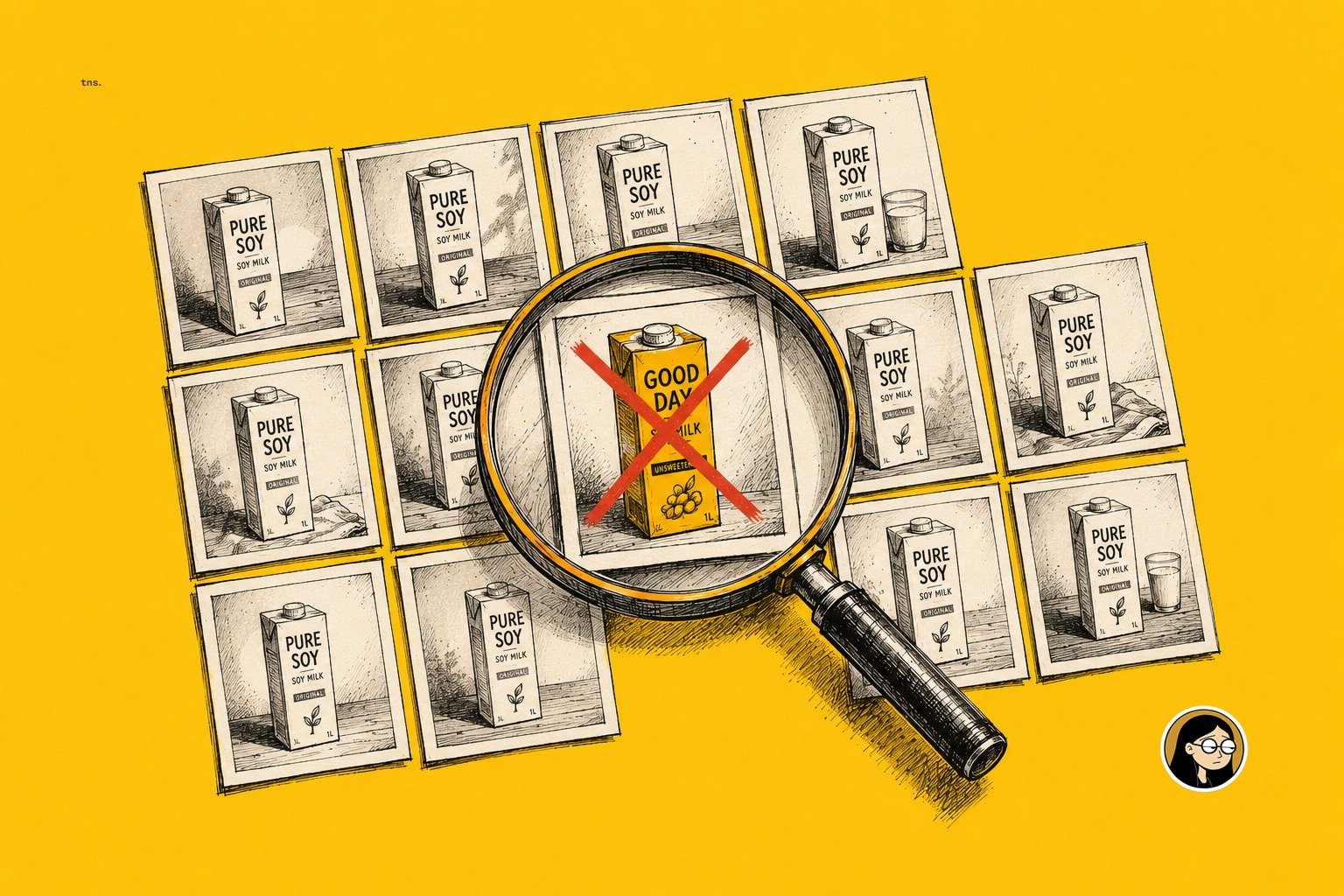
Every single shot featured a competitor’s soy milk. Not ours. The other one.
I stared at the preview for about ninety seconds. Then I went outside and smoked three cigarettes in a row, which is two more than my usual existential budget. When I came back, the folder was still there. Still the wrong soy milk.
I ran through the paper trail like a detective defending their reputation:
- Email subject line: the brand name
- Creative brief cover page: the brand logo, large
- Reference images inside: the brand’s products, labeled
- Contract: the brand’s legal name, bolded, in three places
The entire communication chain was watertight. The photos were not.
I’ve since spent a long time thinking about how this happens. It isn’t a paperwork problem.
Creators today take on more deals than they can emotionally process. In a single week they might shoot for three brands, attend two offline events, film a YouTube video, and have a personal life they haven’t canceled yet. The brief sits in a tab open somewhere. The product arrives. The deadline arrives. The shoot happens. Whatever is closest at hand ends up in frame.
More uncomfortably: creators don’t always see the brand. They see themselves.
A lot of sponsored content gets tolerated because audiences want the face, not the product. Creators know this. The industry knows this. Nobody wants to say it out loud. A creator with a strong enough personal brand can sell soy milk of any provenance and the numbers will land. Which raises a quieter question: how much of your budget is actually paying for the product to be visible, and how much is paying for a face?
Once you accept this, a lot of baffling behavior becomes less baffling.
Here’s what actually happens after I opened that folder.
You don’t tell the client. The client is already running out of patience over the delays. Telling them the creator shot the wrong product isn’t a transparency moment; it’s career suicide dressed up as honesty. Your job, whether anyone wants to admit it, includes absorbing chaos before it reaches the client.
You don’t invent a reason. “The creator had a family emergency” has a shelf life of exactly one use, and never again in your career. Reputations in this industry travel faster than deliverables.
You don’t penalize. On paper you could. In practice, deducting fees opens a financial process involving three teams, a legal review, and an email chain nobody wants to be on. It also guarantees the creator will describe the experience to every other creator in their group chats. The circle is smaller than clients ever appreciate.
What you actually do is walk to the supermarket. Buy a case of the correct soy milk. Ship it to the creator personally, at your own cost, with a note calibrated to sound friendly rather than passive-aggressive. Then you wait.
Everyone in the industry treats contracts and briefs like they’re the risk management system. They aren’t. They’re the minimum hygiene. Real risk management happens before the brief even exists.
Vet creators by their collaboration history, not their follower count. A million followers tells you nothing about whether they’ll read your brief. Their past sponsored posts tell you everything. Did they follow the brand’s creative direction, or go entirely their own way? Are their sponsored posts distinguishable by brand, or all the same post with different captions?
Build a vetted roster over time. Agencies that treat creators like plug-and-play assets will always lose the lottery. The ones that keep an internal shortlist of people they’ve worked with three or four times, people who reply within a day and actually read the brief, pay for that reliability with better long-term margins. Relationships are an asset. Track them.
Invest in creator comms as a discipline, not an afterthought. The junior account manager forwarding emails is not creator communications. A brief phone call before the shoot, a pre-shoot product check, a two-line confirmation message after delivery. Small things that prevent large things.
When a campaign goes wrong, how often is the root cause actually the brief? In my experience, almost never. It’s almost always communication and fit.
Ten years later, tools are better. Briefs are longer. Contracts are thicker. Creators still shoot the wrong soy milk.
Because you can’t fix people. You can only pick them. Influencer marketing’s hardest problem isn’t the platform, the budget, or the brief. It’s creator communication. Treat the relationship as an asset, keep a record, and stop expecting a contract to do work that only a vetted roster can do.
As for me: these days, when a creator takes a week to reply, I skip the soy milk and go straight to something stronger.