Cheap Is Not A Strategy
A coworker can’t do the marketing work. I told my boss. My boss said: but he’s cheap.
Yes. Cheap. The man’s only quality. As pure a single-axis attribute as I have ever encountered in a colleague.
If cheap is the requirement, may I suggest a rescue dog. Same price point, comparable contribution to the team’s actual deliverables, slight upside on emotional regulation.
The boss didn’t laugh. The boss does not, as a rule, laugh at the things I say.
So now I work later. I clean up after the cheap coworker. The cheap coworker, freed by my coverage, channels his remaining energy into his other contribution to the team: being unprofessional with our overseas colleagues. One of them privately told me she felt humiliated.
I brought this to the boss too. The boss said: Good. You’re the good cop, he’s the bad cop. Balance.
Balance.
I’d like to point out, gently, that “balance” requires both forces to be doing something useful in opposite directions. What we have here is one person doing twice the work, and another person actively making colleagues feel small. That’s not balance. That’s a failing seesaw with one end on fire.
Here is the math nobody on the management side wants to do.
Salary saved per month: small. My overtime hours absorbing his work: large. Morale damage to the overseas team: structural. Risk that a humiliated colleague leaves: real. Risk that the rude coworker turns the same energy on a client one day: also real.
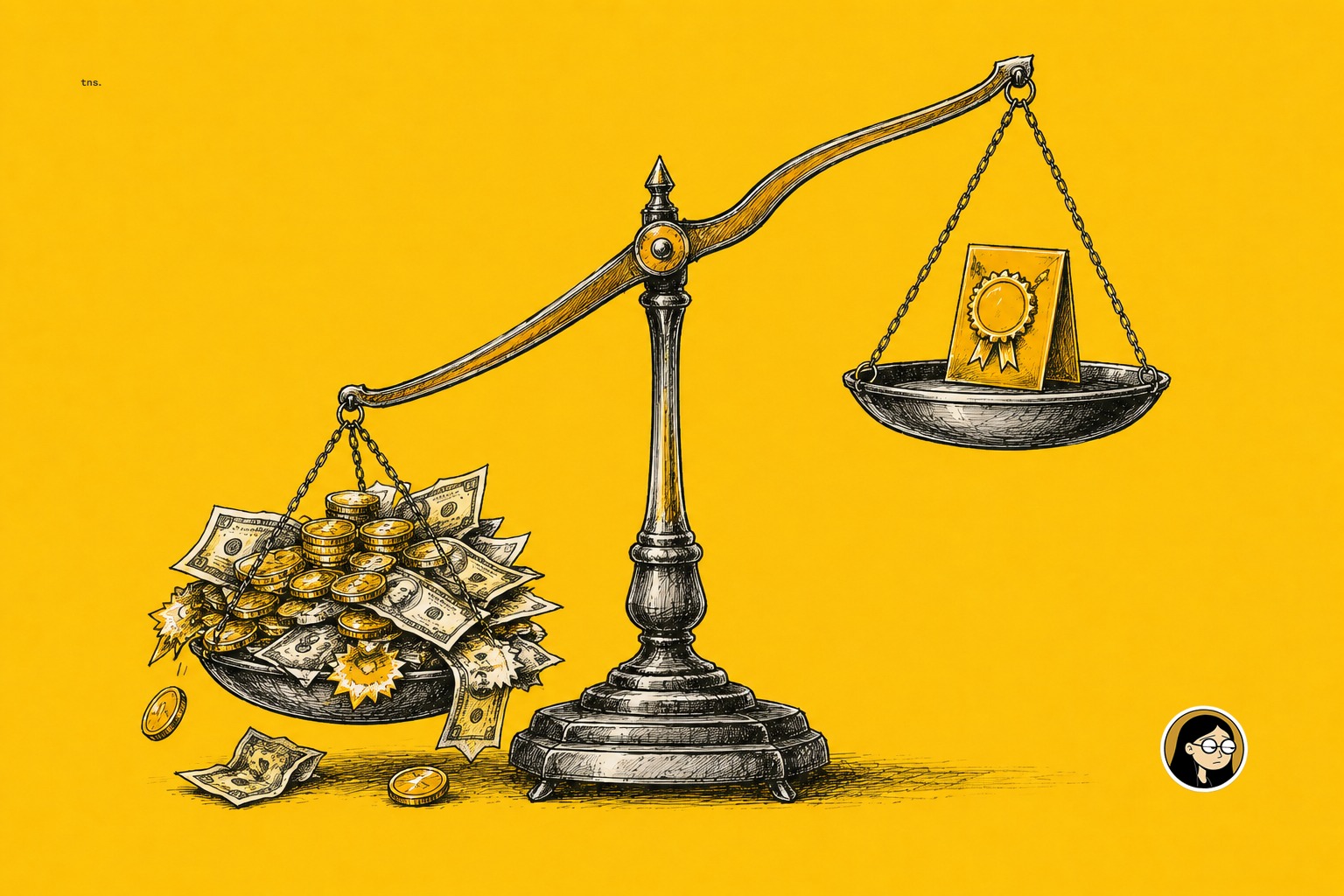
Cheap is not a strategy. Cheap is the absence of a strategy, dressed up in cost-saving language. Anyone can hire someone cheap. The skill is hiring someone who creates more value than the cost. Most managers I’ve met cannot tell the difference, and the ones who can are usually working somewhere else.
If you want to save money, save money. But the savings don’t sit on his head. They sit on mine, on overtime no one is paying me for, and on the patience of colleagues who will eventually leave.
Honestly, if I’m going to keep absorbing his job, the least the company could do is hire me a masseuse. Or a private chef. A hot meal at 11pm would do more for retention than anything in the HR handbook.
Until then, two jobs, no masseuse, no chef. And the only good thing about cheap is that it’s cheap.